What You Need to Know About Protecting Your Vision
Did you know that about half of people with glaucoma don’t even know they have it?
Glaucoma is often called the “silent thief of sight” because it develops slowly and often with no noticeable symptoms in the early stages. By the time vision changes become obvious, it usually means permanent damage has already occurred.
What is glaucoma? It’s actually a group of eye diseases, not just one single disease. What they all have in common is that they damage the optic nerve, which is the vital connection between your eye and your brain. It’s often associated with increased pressure inside the eye, but it can occur even when eye pressure is normal. Left untreated, glaucoma can lead to permanent vision loss and even blindness.
Early detection and treatment are crucial to slow or prevent further vision damage. That’s why regular screenings are essential if you are at a higher risk for glaucoma based on your genetics or family history.
Why Early Detection Matters
In its early stages, glaucoma typically has no warning signs. There’s no pain or sudden changes in vision. The most common form, called open-angle glaucoma, gradually reduces peripheral (side) vision first. Because central vision remains clear for a long time, it can take quite a while to realize anything is wrong.
Other, less common types, such as angle-closure glaucoma, can develop more suddenly and may cause more obvious and acute symptoms like severe eye pain, headache, nausea, blurred vision, or seeing halos around lights. These symptoms require immediate medical attention.
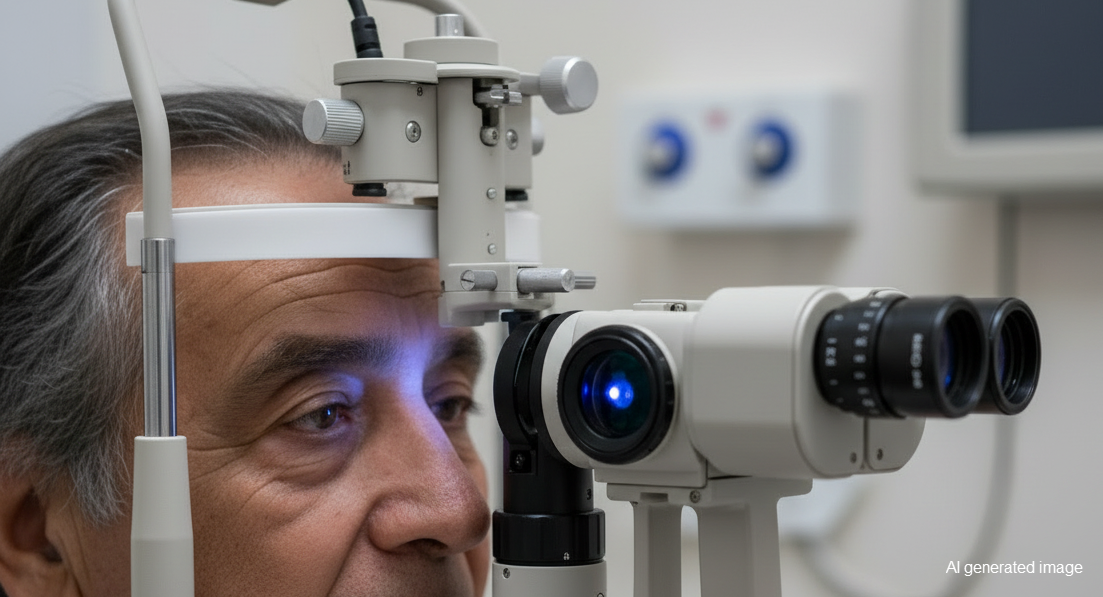
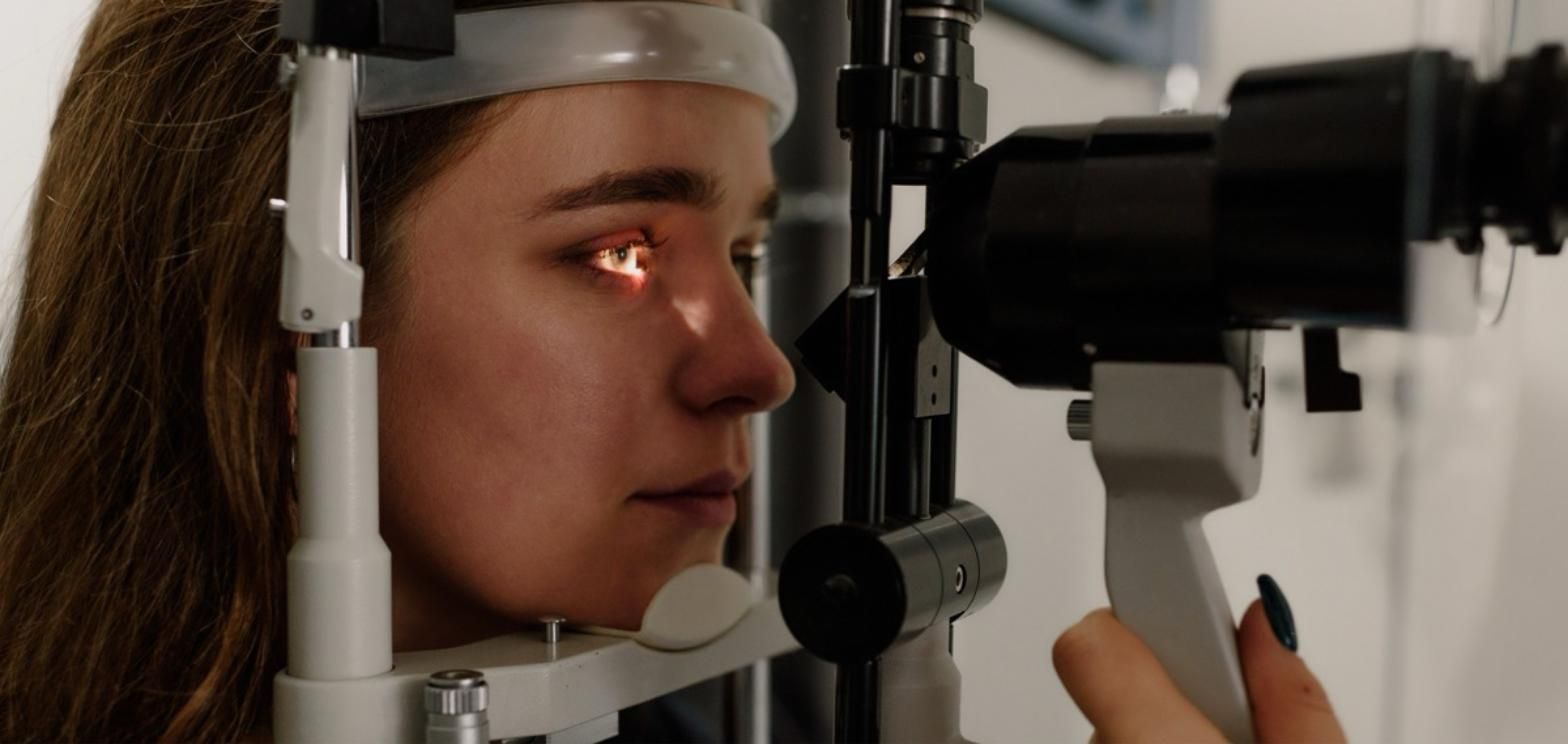
The only way to know if you have glaucoma is through a comprehensive, painless eye exam that includes specific tests to check:
- Eye pressure
- Optic nerve health
- Peripheral vision
- Drainage angle of the eye
According to the National Eye Institute, regular eye exams are critical, especially as we age, because early treatment with prescription eye drops, laser therapy, or surgery can help prevent further vision loss.
Vision lost from glaucoma cannot be restored, which makes early detection essential.
Medicare Coverage for Glaucoma Screenings
Medicare Part B covers glaucoma screenings once every 12 months for people who are considered high risk (see the list below).
The screening must be performed (or supervised) by an eye doctor who is legally allowed to provide the service in your state, such as an ophthalmologist or optometrist.
If you qualify as high risk and receive your screening from a provider who accepts Medicare assignment, Medicare Part B will cover 80% of the approved amount (once your Part B deductible has been met). You would be responsible for the remaining 20% as coinsurance.
It’s important to confirm that your provider accepts Medicare assignment to help minimize out-of-pocket costs. If you have a Medicare Advantage plan, coverage rules may vary slightly, so review your plan details, or ask us to help determine what your coverage is.
Who Is at Higher Risk for Glaucoma?
While anyone can develop glaucoma, certain groups have a higher risk. Medicare considers you at high risk if at least one of the following applies:
- You have diabetes
- You have a family history of glaucoma
- You are African American and age 50 or older
- You are Hispanic and age 65 or older
Because risk increases with age, glaucoma screening becomes even more important for Medicare beneficiaries.
Protecting Your Vision Starts with a Conversation
If you fall into a high-risk category, talk with your primary care provider or eye doctor about scheduling a glaucoma screening. Your vision plays a major role in your independence, safety, and overall quality of life. When it comes to your eyesight, waiting for symptoms isn’t a safe strategy. A simple, painless screening once a year could help preserve it for years to come.
If you have questions about how your Medicare coverage works, including preventive screenings like glaucoma testing, reach out to review your benefits and make sure you’re taking full advantage of what’s available to you.